New Title

Kim Stanley • April 19, 2023

Clutter is a bummer — literally. New study shows a link between depression and the amount of stuff in your home in this article by Lisa Kaplan.


Dishes in the sink, toys throughout the house, stuff covering every flat surface; this clutter not only makes our homes look bad, it makes us feel bad, too.
 
At least that’s what researchers at UCLA’s Center on Everyday Lives and Families (CELF) discovered when they explored in real time the relationship between 32 California families and the thousands of objects in their homes. The resulting book, Life at Home in The Twenty-First Century, is a rare look at how middle-class Americans use the space in their homes and interact with the things they accumulate over a lifetime.


It turns out that clutter has a profound effect on our mood and self-esteem. CELF’s anthropologists, social scientists, and archaeologists found:


A link between high cortisol (stress hormone) levels in female home owners and a high density of household objects. The more stuff, the more stress women feel. Men, on the other hand, don’t seem bothered by mess, which accounts for tensions between tidy wives and their clutter bug hubbies.


Women associate a tidy home with a happy and successful family. The more dishes that pile up in the sink, the more anxious women feel.


Even families that want to reduce clutter often are emotionally paralyzed when it comes to sorting and pitching objects. They either can’t break sentimental attachments to objects or believe their things have hidden monetary value.


Although U.S. consumers bear only 3% of the world’s children, we buy 40% of the world’s toys. And these toys live in every room, fighting for display space with kids’ trophies, artwork, and snapshots of their last soccer game.


Although Life At Home documents the clutter problem, the book offers no solutions. But there are some simple things you can do to de-clutter your home and raise your spirits.


1. Adopt the Rule of 5. Every time you get up from your desk or walk through a room, put away five things. Or, each hour, devote 5 minutes to de-cluttering. At the end of the day, you’ve cleaned for an hour.


2. Pledge to clear and clean your kitchen sink every day. It takes a couple of seconds to place a dish in the dishwasher than dump it in the sink.


3. Return to yesteryear when only photos of ancestors or weddings earned a place on a shelf. Put snapshots in a family album, which will immediately de-clutter many flat surfaces.


4. Unburden your refrigerator door. Researchers found a correlation between the number of items stuck to the fridge door and the amount of clutter throughout the house. Toss extra magnets, file restaurant menus, and place calendars in less conspicuous places.


5. Hack out unexpected new storage space in out-of-the-way places, like under the stairs.


7. Fill a box with items you don’t love or use. Seal the box and place it in a closet. If you haven’t opened the box in a year, donate it (unopened!) to charity.

By Kim Stanley June 7, 2026
Here's How to Avoid Them
By Kim Stanley February 17, 2026
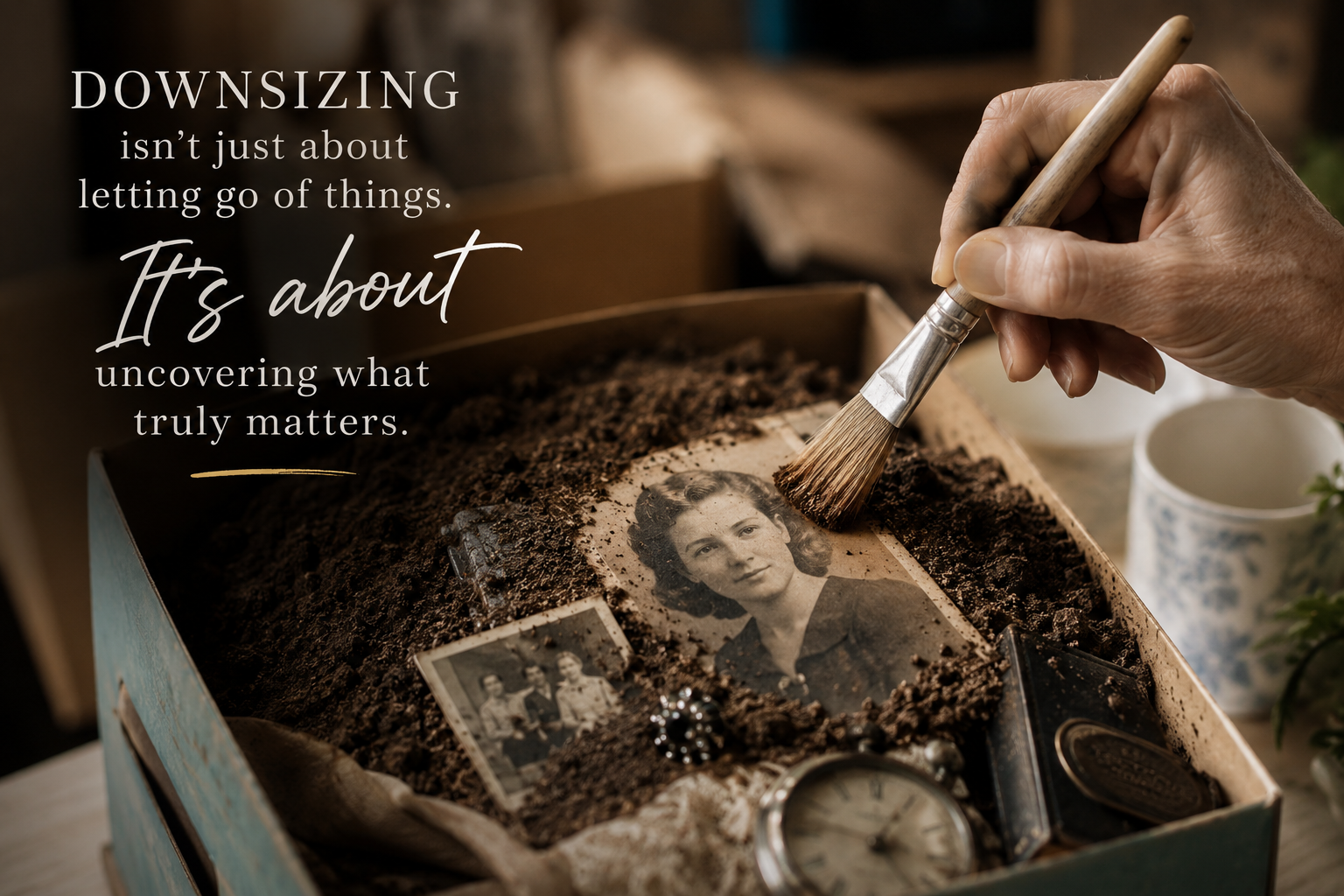
Downsizing is a major life transition that requires balancing emotional attachment with practical constraints. Here are some tips that can help make it easier: Decision-Making Strategies The "3-Pile" Method : Sort items into three clear categories: Keep, Donate/Sell, and Discard. The "Maybe" Box : If you are unsure about an item, put it in a box and seal it. If you don't need it in 3–6 months, you can confidently donate it without opening it. Ask Key Questions: Do I use this regularly? Will it fit in my new space? Does it bring me joy or serve a purpose? Limit "Just in Case" Items: If you haven't used it in a year, you likely don't need to take it to a smaller, more valuable space. Letting Go of Sentimental Items Keep the Memories, Not the Stuf f: Memories live in your heart, not in objects. Take photos or create digital records of sentimental items, collections, or old documents. The 5-Item Legacy List : Identify the most treasured, irreplaceable items that truly represent your story and prioritize keeping those. Gift Items to Family : Pass heirlooms to children or loved ones who can enjoy them now. Knowing an item is going to someone you love makes it easier to let go. Curate, Don't Discard : Treat the process as curating a new, lighter, more intentional life rather than just "getting rid of stuff". Give yourself time to consider your memories while you look forward to designing your future rightsized lifestyle!
By Kim Stanley November 21, 2025
Thanksgiving is all about connection—sharing a meal, telling stories, and feeling gratitude for the people who’ve shaped our lives. But for many older adults, the holiday can feel overwhelming, exhausting, or even isolating if their needs aren’t considered. With a little planning and intention, you can make the celebration more inclusive, comfortable, and deeply meaningful for the seniors you love. 1. Create Space for Their Stories and Traditions Older family members are the keepers of history—and inviting their stories into the day not only honors them but strengthens family bonds. Ask about past Thanksgiving memories, favorite recipes, or traditions they’d love to revive. Bring out photo albums, or invite them to share a blessing or reflection before dinner. These small invitations help them feel valued and included. 2. Make the Environment Comfortable and Accessible A busy holiday gathering can be physically demanding. Ensure seating is comfortable, walkways are clear, lighting is bright, and the temperature is pleasant. If they have mobility challenges, plan seating so they don’t need to navigate tight spaces. Keep the noise level in mind, too—large groups can be hard to hear or overstimulating. A quieter corner or a smaller conversation group can make the day much more enjoyable. 3. Include Them in Ways That Match Their Abilities Many older adults want to feel useful but may not have the energy they once did. Offer simple, meaningful ways to participate: folding napkins, choosing music, sharing a recipe, or offering guidance on a dish. Even asking for their advice reinforces that their presence matters. And if they prefer to simply relax and enjoy the day, create that space without pressure. By honoring their comfort, wisdom, and preferences, you help make Thanksgiving a holiday where every generation feels connected. A bit of thoughtfulness goes a long way—ensuring our older loved ones feel not just included, but truly cherished.
By Kim Stanley August 28, 2025
For almost a decade, our specialty has included creating smaller living spaces that look and feel like home for our clients. That means finding space for their favorite mementos and most utilized belongings. Here are some of our favorite "hacks" for making downsized living functional, attractive and clutter-free! 1. Vertical Thinking When floor space is limited, look up! Tall shelving units, floating shelves, or even wall-mounted racks make use of vertical space. This keeps essentials within reach without eating up valuable square footage. 2. Furniture that Works Double Duty Multifunctional furniture is a lifesaver. Ottomans with hidden storage, sofa beds, or coffee tables with lift-up tops provide functionality while keeping clutter out of sight. 3. Use Under-the-Bed Storage That empty space beneath your bed is prime real estate. Slim rolling bins or vacuum-sealed bags can store seasonal clothes, shoes, or extra linens. 4. Hooks & Pegboards Everywhere From the kitchen to the entryway, hooks and pegboards are versatile for hanging bags, utensils, or accessories. They keep items visible, organized, and off counters or floors. 5. Fold It Away Foldable furniture—like drop-leaf tables, wall-mounted desks, or collapsible chairs—lets you create a workspace or dining area only when you need it. NEED HELP TO REORGANIZE YOUR CURRENT LIVING SPACE? GIVE US CALL!
By Kim Stanley March 28, 2025
The Pros and Cons of Aging in Place: Is Staying in Your Current Home the Right Choice? As retirees consider their next phase of life, one important decision is whether to age in place—remaining in their current home—or to transition to a different living arrangement. While aging in place offers familiarity and independence, it also comes with challenges that should be carefully evaluated. Let’s explore the pros and cons of this decision. ADVANTAGES OF AGING IN PLACE IN YOUR CURRENT HOME 1. Comfort and Familiarity Staying in a long-term home allows retirees to remain in a place filled with memories and personal history. Familiar surroundings can contribute to emotional well-being and reduce stress associated with relocation. 2. Independence and Control Aging in place enables individuals to maintain their routines, lifestyle, and autonomy. They can make their own choices about daily activities, home modifications, and caregiving services, rather than adjusting to the rules of an assisted living facility. 3. Financial Considerations For many retirees, staying in their home may be more cost-effective than moving to a retirement community or assisted living facility, especially if the mortgage is paid off. Home modifications to enhance safety can be an investment but might be more affordable than monthly senior living fees. 4. Community and Social Connections Remaining in a familiar neighborhood allows retirees to maintain social connections with friends, neighbors, and local organizations. Staying engaged in the community can contribute to overall well-being and help prevent loneliness. DISADVANTAGES OF AGING IN PLACE 1. Home Maintenance Challenges Upkeep of a home, including lawn care, repairs, and cleaning, can become increasingly difficult as one ages. Hiring help can be costly, and neglecting maintenance can lead to safety hazards. 2. Safety Concerns Many homes are not designed for aging residents. Features such as stairs, narrow doorways, or slippery surfaces can pose risks. Home modifications, such as installing grab bars, ramps, or stairlifts, may be necessary for safety. 3. Access to Care and Support As health needs increase, aging in place may require hiring caregivers or relying on family for assistance. The availability and affordability of in-home care services can be a challenge, and some retirees may ultimately require more extensive medical support than can be provided at home. 4. Potential for Isolation If mobility declines, transportation challenges can arise, making it harder to attend social events, doctor’s appointments, or run errands. Without adequate planning, aging in place can lead to loneliness and reduced quality of life. MAKING THE RIGHT DECISION Deciding whether to age in place requires careful consideration of personal preferences, health conditions, financial resources, and available support systems. Some retirees opt for a hybrid approach—modifying their home for safety while also considering in-home care options or nearby downsizing opportunities. Ultimately, the key is to plan ahead. By assessing the home’s suitability, exploring community resources, and discussing potential future needs with family or professionals, retirees can make a well-informed choice that supports their well-being and independence. The first step in know if your current home can accommodate your needs as you age is to have a Home Safety Inspection . As a Certified Home Safety Advisor, our team offers a 240 item assessment of your home to reveal any hidden risks that could become health hazards. We also offer recommendations and resources to make adjustments that will keep you safe and comfortable for years to come! CALL OUR OFFICE AT 512-962-2240 to schedule your Home Safety Inspectio n today!
By Kim Stanley March 27, 2025
If you've been waiting for the right time to tackle those decluttering projects, Spring is the perfect time to begin! Here are some tips to make it easier and even a little fun! START SMALL - Set a timer for 30 minutes and see how much you can accomplish - Focus on one area at a time: to avoid feeling overwhelmed. MAKE A PLAN - What areas do you want to focus on" What do you want to accomplish? - Gather your tools: (trash bags, donation bags, storage containers) before you start. - Designate a place for everything and make sure there's a place to put things back. - Have a staging area for donations or throw aways STAYING ON TRACK - Keep a log of your progress at the end of each session - Don't beat yourself up if you don't get everything done in one go. Decluttering is a process, not a race. - Reward yourself for completing each decluttering session. -Take before and after photos: to visualize your progress and stay motivated. - Listen to music or a podcast while you declutter to make it more enjoyable. SORTING: LET GO WITHOUT GUILT OR REGRET - Be realistic about what you truly need and use. If you haven't used something in a while, consider letting it go. - Don't feel guilty about getting rid of things. It's okay to let go of items that no longer serve you. - Don't hold onto items "just in case.": Trust that if you truly need something, you can always find a way to get it. - Consider the "12-12-12" method: declutter 12 items to throw away, 12 to donate, and 12 to put back in place. MAKE IT A HABIT - Declutter regularly: to prevent clutter from building up again. - Dedicate a few minutes each day: to tidy up and put things away. - Don't let clutter build up: by making sure you have a place for everything and everything in its place. IF YOUR DECLUTTERING PROJECT IS TTO BIG TO HANDLE, WE CAN HELP! OUR DECLUTTERING EXPERTS CAN TRANSFORM YOUR LIVING SPACE IN A JIFFY! CALL US AT 512-962-2240
Should Retirees Rent or Own? by Kim Stanley
By Kim Stanley May 31, 2023
Retirement is a time of huge transition, but it also provides the opportunity to create a whole new lifestyle. Whether a retiree chooses to rent or own their living space has a lot to do with how they envision that lifestyle. One of the biggest motivations for retirees who decide to sell their homes and move continues to be a desire to be closer to family, especially when grandchildren are in the picture. In this case, most people choose to buy a home and reinvest their previous home equity. Other retirees, especially those who recently retired, may want to be free to travel. This option has been on the rise as the Baby Boom generation is retiring in record numbers, a factor that has led to a huge increase in the popularity of “lock and leave” leasing communities. Is it better to rent an apartment or house, or to own a home? The type of amenities and activities a retiree engages in are also a big factor in choosing whether to live in an apartment or a single family home. Baby Boomers are reluctant to co
How To Overcome “Reluctant Seller Syndrome
By Kim Stanley May 24, 2023
Here are the 3 primary reasons downsizers become reluctant, or downright stuck, and what you can do to help them move forward: 1) Overwhelmed with too much stuff. Sellers with growing families can quickly put extra items into storage temporarily, knowing that when they move, they’ll have the space to unpack and take their time to sort through what to keep and what to let go of. People moving to a smaller home or apartment don’t feel they have that luxury. Confusion about where and how to begin the sorting process, what to do with everything they don’t want to move, and fear of making the wrong sorting decisions can make them decide to wait. 2) Conflicting emotions about letting go of the family home. This roadblock most often involves older seniors who are moving to a Senior community. Their home can represent their ability to feel independent. Sometimes it’s not the owner of the home but their adult children who are resistant to the idea of mom and dad selling the family home. 3) Affordability Concerns.
9 Reasons Why People Hang Onto Stuff They No Longer Need by Kim Stanley
By Kim Stanley May 10, 2023
1. I feel guilty about throwing things away. 2. So many items hold strong memories for me. 3. I paid a lot for this item when I bought it. 4. I’m afraid I’ll give up a part of myself. 5. I might use it someday. 6. If I fix it it will be a useful item. 7. It was given to us by someone special. 8. Some of my items might be valuable. 9. I just don’t know what to do with my stuff so I’m storing it for now.
5 Tips to Help You Decide If It’s Time For a Move by Kim Stanley
By Kim Stanley May 3, 2023
This is the time of year when people start thinking about moving. Maybe your family is growing and your need more space, or the kids have left home and you need to downsize. For most, considering a move involves selling your current home and finding the right new home, and it can be daunting! So take a deep breathe, relax, and consider the following tips to get you started. 1. Write down your family’s top 3 reasons for wanting to move. Aside from a job relocation, what are the life-quality issues that tug at you? Space, schools, HOA’s, taxes, commute, health, and neighborhood safety are often are just some of the issues that motivate people to move. 2. Assess your home’s equity. A note of caution here: online home valuation sites are often grossly inaccurate, especially in Texas which is a non-disclosure state (meaning the tax sites don’t have to publish sold statistics). Ask your real estate agent for a comparative analysis of the most recent sold properties in your neighborhood so you have a true snapshot o